A new Formula 1 race can take years to bring to the calendar. For a destination starting from scratch, Louise Young, Formula 1’s Chief Race Promotion Officer, estimates it could take three to five years to agree terms, build a circuit and learn how to run the event.
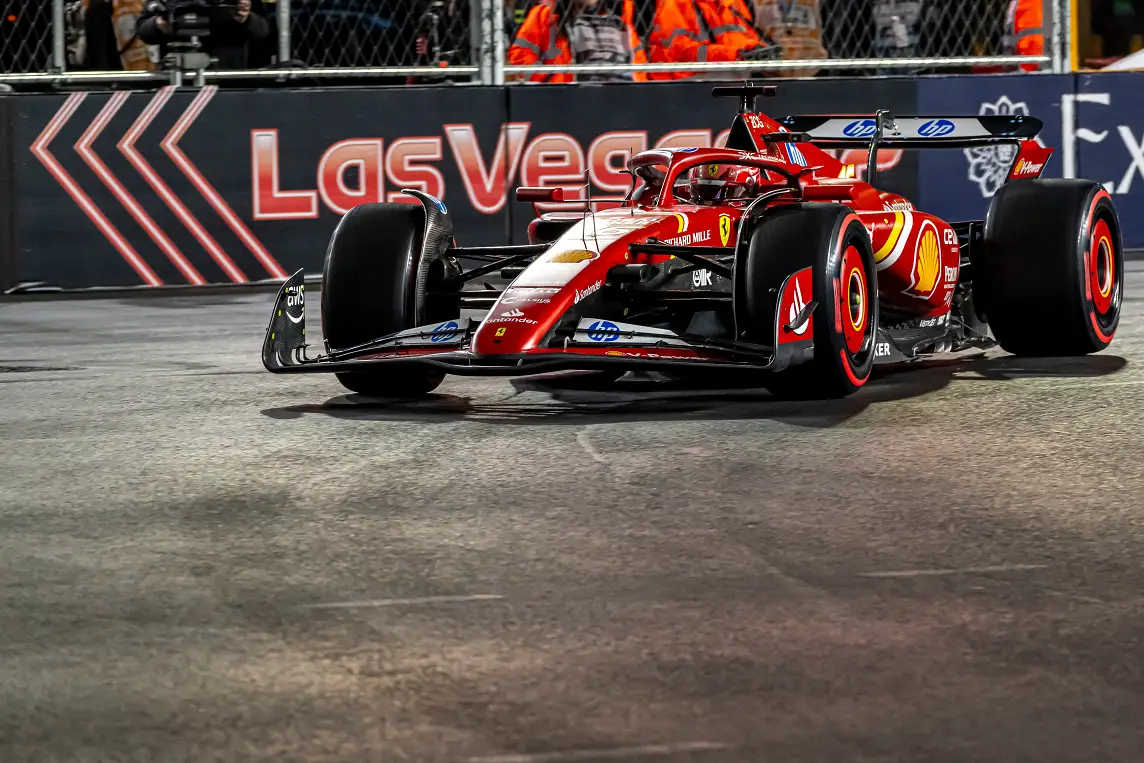
With few openings and existing hosts keen to keep their races, Formula 1 can be selective. Young told Host City that it weighs proposals from cities and countries alongside its own plans for the calendar, including where a growing fan base might support a Grand Prix. In Las Vegas, Formula 1 saw that opportunity and approached the city directly.
What makes a city ready to host?
Young described a strong proposal as one that is “easy to say yes to”. That means thinking through logistics and customs clearance, bringing the relevant authorities on board early and showing how the city’s identity would come through in the event programme.
The choice of circuit also shapes the visitor experience. A street race can put fans close to hotels, restaurants and public transport and bring the atmosphere of the city into the event. Permanent venues offer a different experience, and Young said Formula 1 weighs the balance of both across its calendar.
In Las Vegas, building support among local businesses took sustained work after the first race. Young said community engagement should be part of the conversation from the outset. School visits, tours and discounted tickets are among the ways hosts can involve local residents.
“When we entered into the Las Vegas market that was an instance where Formula One really went out and prospected, we sought out the destination and we said you know we think we would be great for your city, how can we work together?”
Building a legacy through repeat hosting
Young described Formula 1 as a host city’s “business card”. She pointed to Madrid as an example of how a race can bring sponsors and business leaders to a destination. When a city makes race week an occasion in its own right, visitors have more reasons to extend their stay, benefiting hotels, restaurants and transport providers.
The annual return of a Grand Prix also gives cities time to build local supply chains. Young cited the scale of temporary grandstand construction in Madrid as an example of the work a race can generate. With a multi-year hosting agreement, local suppliers have more confidence to invest, create jobs and develop skills they can use at future events.
“One of the unique things about Formula One is we come back every year. So unlike those once in a lifetime or once in a generation moments, we create what actually becomes local supply chains and those supply chains move with us as the event grows and develops.”
Young also highlighted the role of hosts in planning for accessibility and deciding how to manage waste, source power and protect biodiversity. Priorities vary by location. At Spa, for example, the forest surrounding the circuit makes biodiversity a particular consideration.
For other rights holders, Young sees a lesson in how Formula 1 works with its race promoters. A long-term agreement gives hosts a reason to invest in improving the event and a chance to share in the rewards of that investment.
Louise Young will be speaking at Host City 2026, taking place on 1–2 December in Glasgow.