Modern pentathlon is changing – and with it, the opportunities for cities to host international competition. Speaking on the Host City podcast ahead of his appearance at Host City 2026, Dr Alexandre França outlined how UIPM is adapting its events to new settings, engaging younger audiences and building partnerships around shared goals.
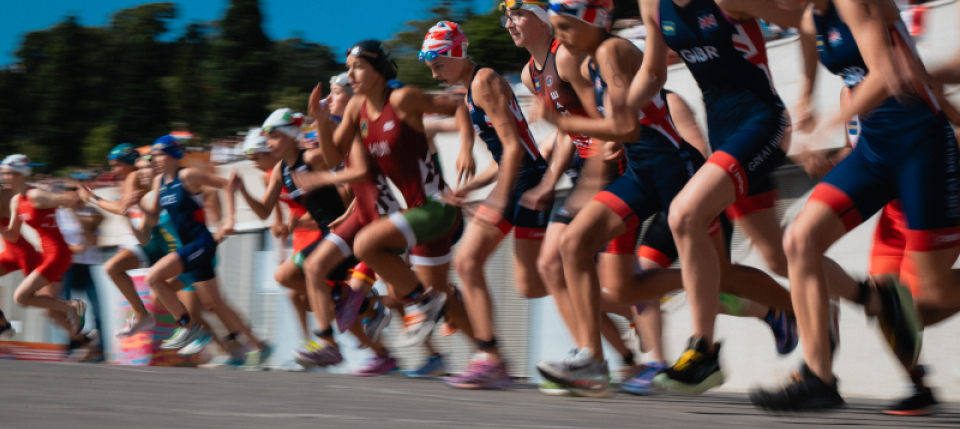
The integration of obstacle racing is central to this transformation. Alongside modern pentathlon, UIPM’s portfolio includes standalone obstacle competitions and formats combining running, swimming and laser shooting, offering different routes into participation and event hosting.
This wider portfolio creates greater flexibility to match an event with a city’s ambitions, facilities and communities, said Franca.
Adapting events to the city
One of the most significant changes is the move towards urban and public spaces. França explained that UIPM is increasingly exploring parks and other accessible settings, opening possibilities beyond conventional sports venues.
“It’s not the city to adapt to the sport, but it’s for us to adapt our event to the city,” he said.
He described examples in China combining competition with wider visitor experiences, including a park setting with a music festival and an obstacle event at Universal Studios in Beijing. Bringing sport into these environments offers opportunities to connect with audiences who might not otherwise attend.
The approach also supports UIPM’s ambition to expand geographically. França stressed that the federation is willing to adapt its events to markets where the sport is still developing, while maintaining competition quality.
Connecting with younger audiences
Obstacle racing is bringing a new community into UIPM’s orbit and changing perceptions of modern pentathlon.
França said UIPM’s data showed that elite competitors were, on average, three years younger than in the previous Olympic cycle. Alongside this shift, he reported growing engagement from younger audiences and increased visibility across social media and television.
Athletes themselves are playing an important role, producing content and building followings that extend the reach of competitions.
For host cities, this creates an opportunity to connect with younger communities. However, França emphasised that the audience must fit the city’s objectives: attracting attention is most valuable when it reaches the people a host wants to engage.
Obstacle also provides an accessible entry point. Familiar movements associated with playgrounds and obstacle courses can help people connect with the sport, with opportunities to participate in individual disciplines or progress towards modern pentathlon.
Building partnerships around legacy
França’s approach to hosting draws on a career spanning military service, coaching and sports science. Having coached at three Olympic Games, he places athletes’ needs at the centre of event planning, alongside the ambitions of the host.
Successful partnerships begin with understanding a city’s capacity, the sustainability of hosting and the communities an event can reach.
Shared objectives are essential, but the discussion must also consider what remains afterwards: how the event supports local engagement and contributes to a lasting legacy.
Technology is another part of the offer. França highlighted UIPM’s in-house broadcast production, with graphics, statistics and data helping audiences understand the competition. He also described growing use of AI across internal systems, competition management and production.
Sharing ideas at Host City
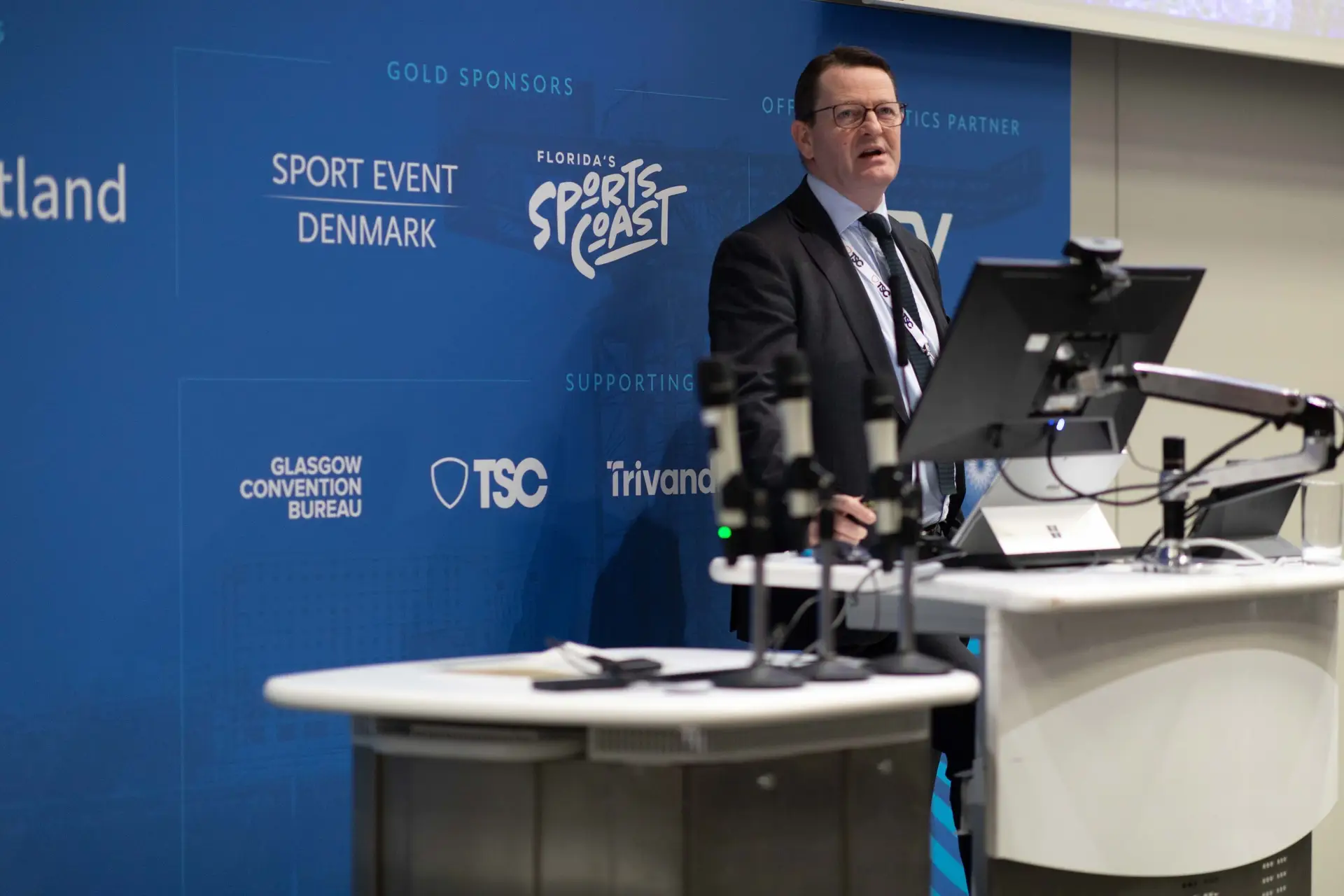
Looking ahead to Host City 2026 in Glasgow on 1–2 December, França sees an opportunity to introduce the sport’s new direction and learn from others facing similar operational challenges.
He particularly values informal conversations with host cities, suppliers and other federations, where an experience from a different sector can provide the answer to a practical problem.
As modern pentathlon builds towards Los Angeles 2028, his message to potential hosts is one of flexibility and collaboration: a changing sport offers new possibilities for cities ready to help shape its future.
Dr Alexandre Franca will be speaking at Host City 2026, taking place on 1–2 December in Glasgow.