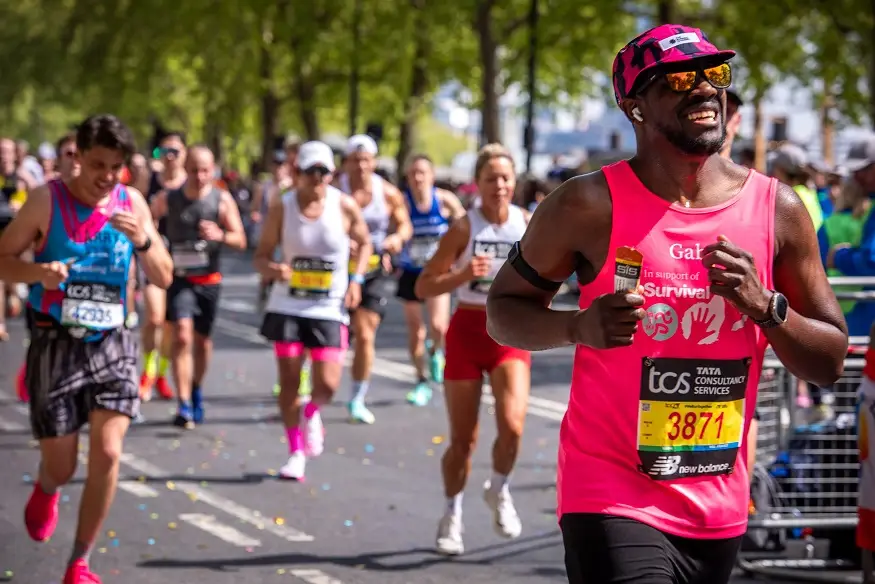
When the TCS London Marathon takes place on 24 and 25 April 2027, organisers will have to reopen the capital’s roads in time for its busy Saturday nightlife, then get ready to welcome a second wave of runners on Sunday. The team expects to need around 10,000 volunteers, twice the usual number.
Brasher believes runners could raise £150 million for good causes and that the weekend could generate £400 million in economic and social benefits. The Friday programme is expected to bring together 22,000 children and young people, with £10 per participant going to their schools for sports or computer equipment.
“The stakeholders have to be in the room before the decision is made,” says Brasher. Fourteen stakeholders helped shape the plans, including London boroughs, the emergency services, Transport for London and the Royal Parks. Brasher says any one of them could have stopped the proposal. His advice to other organisers is to choose partners who share their values, agree how to measure success and give those relationships time to develop.
The London Marathon Foundation, has awarded more than £130 million to help people get active, including £3 million to expand junior parkrun across the UK. When Brasher thinks about what he wants the double marathon to achieve, he’s already looking a year beyond it, to the people who might watch in 2027 and decide to give running a go.
“If they haven’t been active before, how incredible would it be for them to then be on the start line in 2028?”
Hugh Brasher will be speaking at Host City 2026, taking place on 1–2 December in Glasgow.