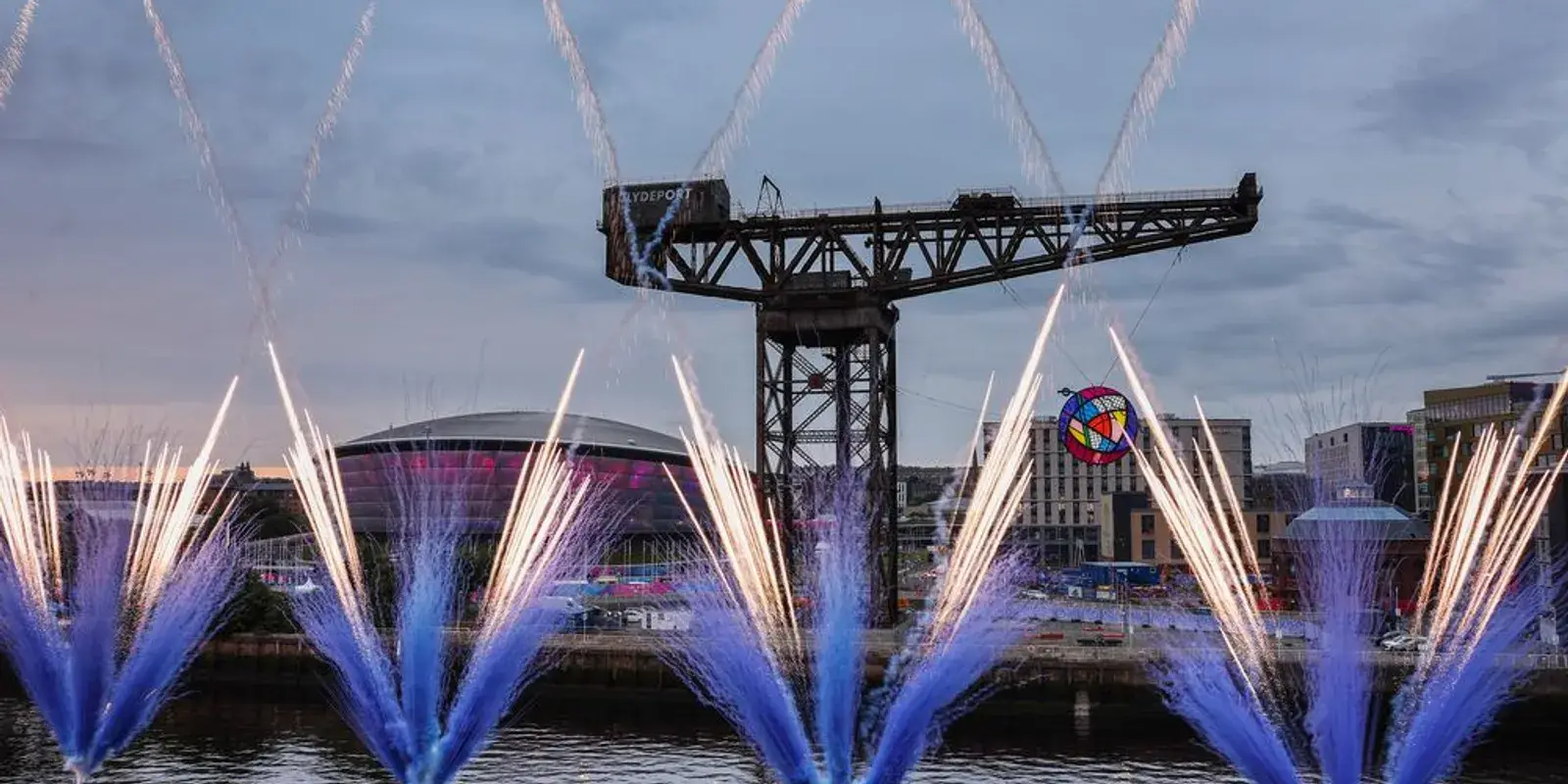
When Victoria withdrew as host of the 2026 Commonwealth Games, Glasgow had around 18 months to stage an event most hosts spend years preparing for. Its advantage was the work it had done more than a decade earlier. Venues used for Glasgow 2014 were still in use, and the city had the people and partnerships needed to bring another Games together.
Commonwealth Games Scotland, the city and its partners built a 10-sport programme around a compact group of existing venues. Commonwealth Sport helped fund upgrades where they were needed, and people could walk or take public transport between venues. The organising committee enlisted local businesses in the build-up, and volunteers from across Glasgow put themselves forward to welcome athletes and visitors.
That experience mattered beyond Glasgow. Commonwealth Sport wanted to reduce the cost of staging the Games so it could take them to more countries. Sadleir puts the cost of delivering Glasgow 2026 at £160 million. The city had shown how much of a Games could be delivered with the facilities a host already had.
“My family is from Glasgow … so coming back to Scotland and to Glasgow and to seeing what was achieved … and thinking about my family and my experiences as an athlete, it was a very special moment.”
For Commonwealth Sport CEO Katie Sadleir, the closing ceremony brought a personal connection full circle. Born in Aberdeen, she had competed at the 1986 Commonwealth Games in Edinburgh, where her Glasgow aunts came to watch her win a medal. Four decades later, she was back in Scotland watching her family’s city bring another Games to a close.
A different starting point for future hosts
The approach is changing how Commonwealth Sport works with prospective hosts. A city can start with the venues it has and what it wants to achieve by hosting. Countries can explore joint bids, and the sports programme can reflect what matters locally. Where a bid calls for new facilities, their role in community sport after the Games can help determine what gets built. Sadleir says that flexibility is drawing interest from countries that had previously considered hosting out of reach.
Ahmedabad is already working through what that approach means for the centenary Commonwealth Games in 2030. Its plans include around 17 sports, giving it a larger programme than Glasgow’s. Glasgow’s organisers have been documenting what worked and what they would change, giving the team in India a practical basis for deciding which parts of the model fit its own Games.
Glasgow benefited from the fact that the venues it used in 2014 were still serving the city in 2026. The decisions Ahmedabad makes now about which facilities to use, upgrade or build will help determine what its own Games leave behind. In the video below, Sadleir talks to Host City about the choices Glasgow made and how those lessons are informing preparations in Ahmedabad.
Katie Sadleir will be speaking at Host City 2026, taking place on 1–2 December in Glasgow.