In an interview ahead of Host City 2026 in Glasgow, Glen Killane, Executive Director of Sport at the European Broadcasting Union (EBU), makes the case for free-to-air broadcasting in an increasingly fragmented media landscape.
For host cities, staging a major sporting event is an opportunity to showcase their destination to audiences around the world. But the value of that exposure depends on how many people can actually watch.
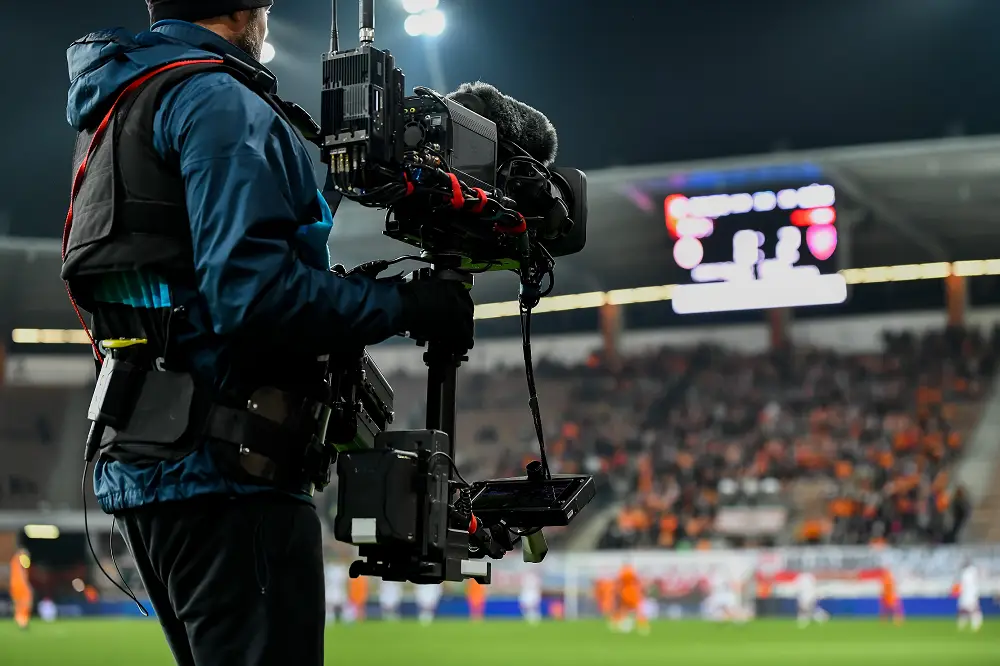
The EBU represents public service broadcasters across more than 50 countries, negotiating sports rights and delivering coverage of major events including the Olympic Games, FIFA World Cup and Tour de France. Together, its members offer access to a potential television audience of 800 million people.
That reach is fundamental to the relationship between broadcasters, rights holders and host cities, says Killane.
“There’s just no rival to reaching audiences like the power of free-to-air broadcast.”
The international visibility generated by broadcasting is an important part of the business case for hosting major events, he says, helping destinations showcase their venues, attract visitors and build their reputation.
A changing broadcasting landscape
While live sport continues to attract substantial television audiences, streaming is creating new opportunities to reach fans beyond traditional broadcast schedules.
The EBU’s Eurovision Sport platform, launched just over three years ago, is designed to complement its members’ coverage by making more sports freely accessible across different markets.
Killane describes the ambition as creating a destination for Olympic sports between the Games, bringing together audiences who might otherwise struggle to find coverage of their favourite events.
“There are fans everywhere for every sport and OTT makes it easier to get to them. The big problem is marketing.”
Discoverability remains a significant challenge, with audiences navigating an increasing number of channels, apps and streaming services.
Making broadcasting more sustainable
The conversation also explores how broadcasters and host cities can work together to reduce the financial and environmental costs of major event production.
Remote production, AI-assisted commentary and subtitling are among the technologies the EBU is exploring to improve efficiency and widen access. Killane also highlights the EBU’s work with the International Biathlon Union on achieving albert certification for its coverage of the World Biathlon Championships in Lenzerheide.
For host cities, closer collaboration with broadcasters can help manage logistical demands while ensuring events reach the widest possible audience.
His message to event hosts is straightforward:
“Don’t forget about the broadcasters. They’re a key component of everything.”
As the sports media landscape evolves, Killane sees collaboration between broadcasters, rights holders and host cities as essential to making major events successful, accessible and sustainable.
Glen Killane will be speaking at Host City 2026, taking place on 1–2 December in Glasgow.