The WDSF has undergone a number of developments in recent years. Which changes do you believe have had the most significant impact on the federation and the sport?
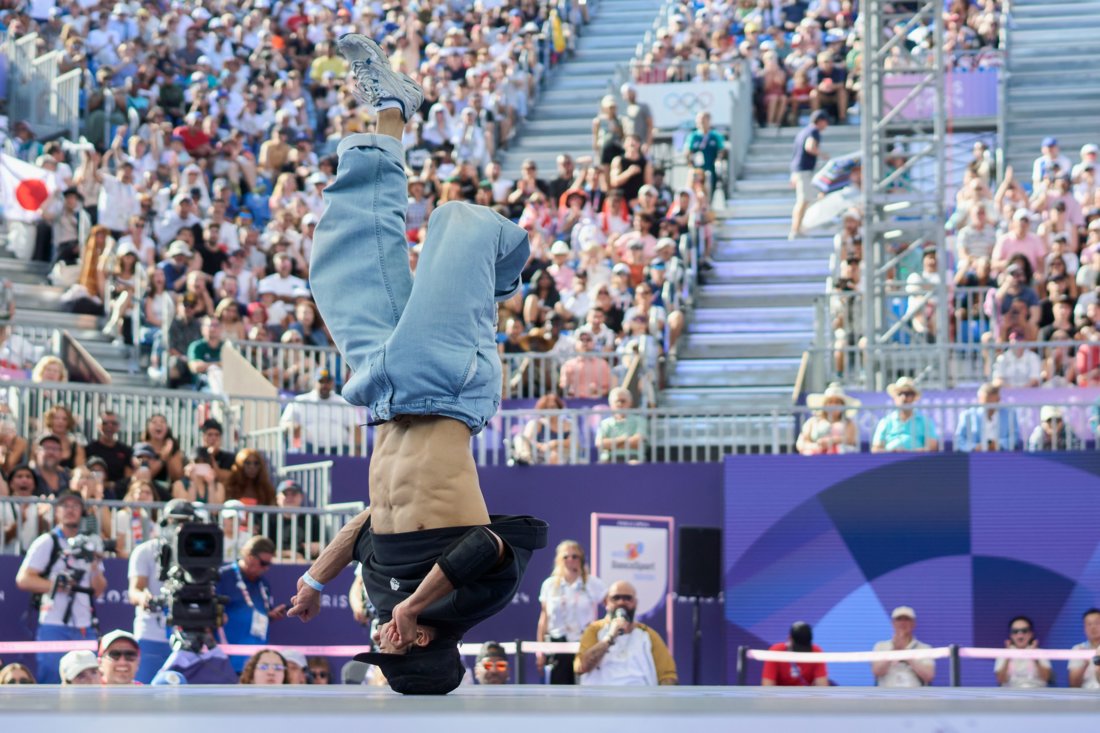
Over the past few years, our biggest impact comes from modernizing how WDSF operates. Integrating Breaking into the Olympic Movement in Paris 2024 was obviously a landmark moment, but the real internal revolution was upgrading our structure to support such rapid global growth.
We moved away from rigid legacy methods to become a far more open, transparent, and athlete-centered federation. We broadened our scope beyond traditional Standard and Latin disciplines to welcome Breaking, Hip-Hop, Disco, Stage, Caribbean, and Rock ‘n’ Roll DanceSport formats into the official competitive fold. Integrating these communities required a complete overhaul of our governance, financial sustainability, and athlete safeguarding standards. Today, WDSF balances a rich 69-year tradition with the agility of a modern Olympic federation, building a truly comprehensive and sustainable ecosystem for all dancers worldwide.
Looking at recent WDSF events, are there any particular competitions or initiatives that you feel demonstrate how DanceSport is evolving as an international event property?
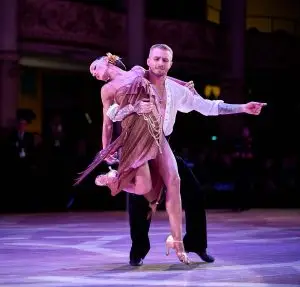
Look no further than the WDSF DanceSport Festival in Blackpool. Bringing over 1,300 athletes from more than 50 countries into the legendary Empress Ballroom, built in the Winter Gardens in 1896, the very same year as the first modern Olympic Games, demonstrates exactly how we bridge deep tradition with modern sports delivery.
Events like Blackpool, alongside our urban-focused GrandSlam stages, show that DanceSport isn’t bound to one rigid format. We can host high-energy festival experiences in landmark heritage sites or city centers alike, bringing massive turnouts across all age groups, electric fan atmospheres, and real economic benefits for host cities without requiring huge budgets.
To achieve this level of delivery across such diverse venues, we had to rapidly bring all our recently welcomed disciplines up to speed. In a short period, we updated regulations, judging systems, licensing for athletes and officials, and digital registration platforms, adapting seamlessly to new discipline communities while preserving the institutional knowledge we have generated over 69 years.
What have been the main challenges in expanding DanceSport’s international calendar, and how has WDSF addressed them?
Our main challenge is managing calendar congestion and steep international travel demands for top athletes, while ensuring that event delivery remains financially sustainable for host cities. Following the post-COVID restart, we experienced a massive surge in competition, with our global calendar scaling to over 300 events per year.
Managing this volume meant moving away from an individual, event-by-event approach. Instead, we focused on building centralized digital platforms that streamline operations for all our local organizers and National Member Bodies. By providing shared digital tools and services, from event management to registration software, we cut unnecessary operational overhead and simplify execution on the ground.
Alongside these technological tools, we modernized our regulatory framework to better serve all stakeholders. By making regulations clearer, easier to interpret, and consistently applicable across all disciplines, we ensure high quality and professional standards across our entire 300-event global circuit.
How has audience behaviour changed in recent years, both in terms of live attendance and digital engagement, and what has WDSF learned from those changes?
DanceSport has experienced a massive digital boom. As an inherently visual and high-energy sport, our content thrives online, but we have also recognized the crucial importance of athlete storytelling. Highlighting our athletes’ personal journeys, their sacrifices, resilience, and raw emotion, has driven viral reach on WDSF channels, creating powerful connections with fans and even securing life-changing corporate sponsorships for our athletes.
To enhance live event delivery, we signed a strategic partnership with ATOS to modernize our ticketing infrastructure and data collection. This enables us to build a comprehensive ecosystem for audience promotion, analyzing data after every event to continuously refine marketing strategies and ticket sales for the next. Audiences don’t just want to see a final score; they want an engaging, seamless experience both on-site and online.
What role does technology now play in the delivery and promotion of DanceSport events, and are there any recent innovations that have proved particularly valuable?
A “digital-first” approach is central to everything we do. Today, our operational management is almost entirely digital, from communication channels and athlete registrations to live result systems, ticket sales, accommodation management, and membership processing. This digital infrastructure allows us to streamline operations for organizers while offering a seamless experience for participants.
Building on this foundation, high-quality digital access and broadcasting are vital for global engagement. Through our enhanced WDSF livestreams, we ensure our major competitions reach fans worldwide with broadcast standards that match top-tier Olympic sports.
At the same time, we are stepping directly into the future of physical and online Esports. We recently signed a major strategic partnership with STEPIN, designating their AI motion-recognition platform as WDSF’s official Dance Esports technology. Using just a smartphone camera, STEPIN accurately scores precision, timing, and movement. This removes technical barriers, allowing dancers anywhere in the world to compete using their mobile devices and bridging virtual participation directly into official competition pathways as we engage with the Olympic Esports ecosystem.
As WDSF looks ahead to the next few years, what are the federation’s key priorities for developing DanceSport internationally and strengthening its appeal to host cities?
To understand our future, we must look to the past. Dance has always accompanied humanity, which means it will naturally always be part of who we are. WDSF’s role is to structure this rich human heritage and package it into world-class sports delivery. Following our successful debut at the Paris 2024 Olympic Games and our upcoming participation at the Youth Olympic Games in Dakar 2026, a key long-term strategic goal is securing Breaking’s return to the Olympic stage at Brisbane 2032.
We recognize that host cities now have more precise and complex requirements. However, this aligns directly with the growth of DanceSport itself, as our events expand in scale, quality, and global relevance. We address these evolving needs by offering adaptable, sustainable event formats that integrate smoothly into local sports or cultural programming, providing complete flexibility in venue selection and timing throughout the year.
By keeping operational overheads lean while delivering high digital visibility, strong youth engagement, and measurable local economic returns, hosting a WDSF event remains a smart, low-risk investment. Ultimately, we want every host city to view us as a responsive, reliable partner that brings vibrant cultural energy and genuine community value without financial strain.
Sergey Nifontov, General Secretary of the World DanceSport Federation is speaking at Host City 2026. Register here.