The Olympic Games are evolving rapidly, with growing technological demands, new approaches to hosting and increasing expectations around sustainability and legacy. The challenge is to ensure that these changes benefit both athletes and the cities that welcome them, says Jiří Kejval, Member of the International Olympic Committee (IOC) and President of the Czech Olympic Committee.
Speaking to Host City ahead of his appearance at Host City 2026 in Glasgow, Kejval reflected on lessons from recent Olympic Games, the opportunities presented by LA28 and why successful hosting requires a vision extending far beyond the event itself.
Balancing sustainability with the Olympic experience
One of the most significant changes in Olympic hosting is the move towards using existing venues and spreading competitions across multiple locations, particularly for the Winter Games.
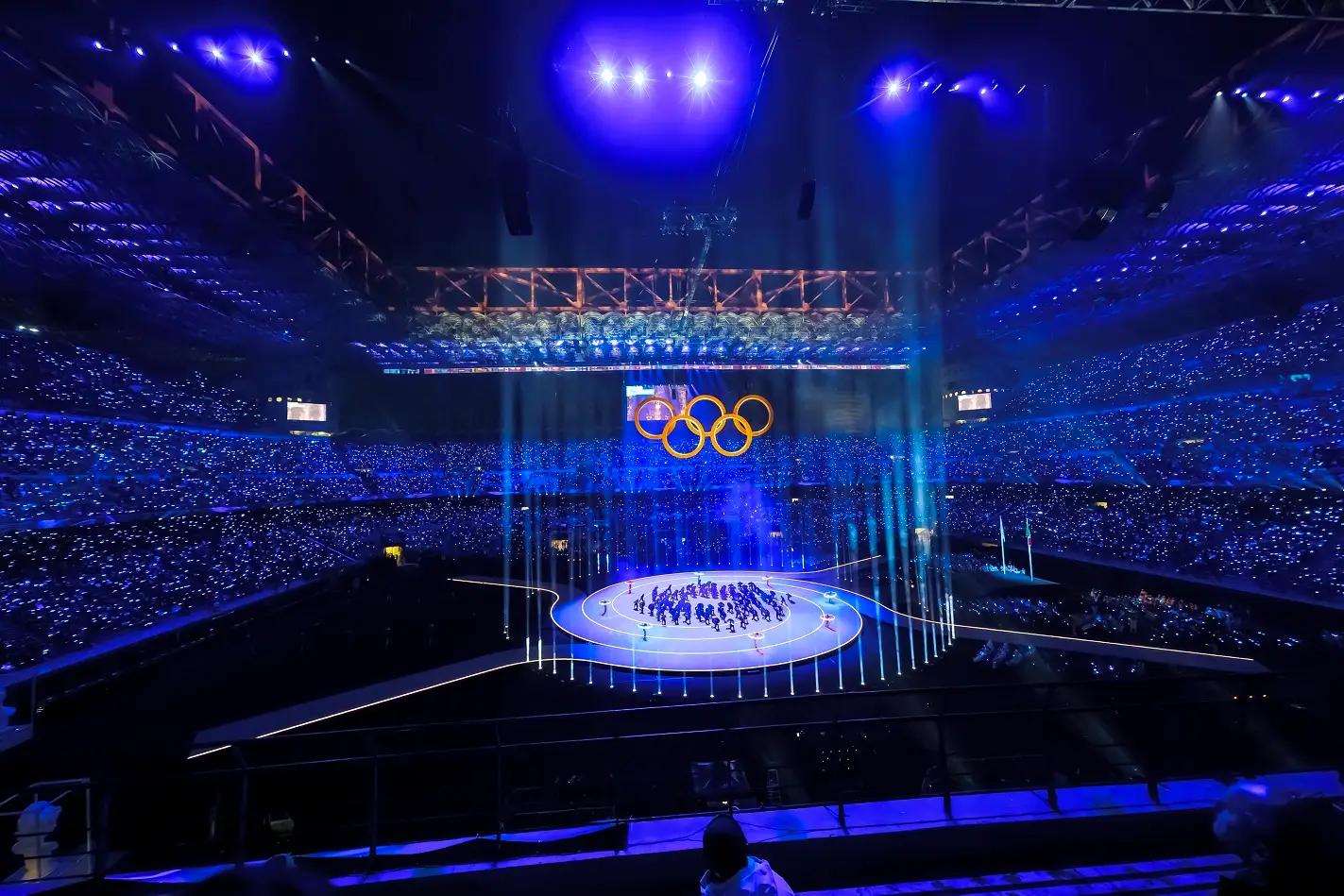
While this approach can reduce the need for new infrastructure, Kejval said it can also affect the experience of athletes. In Milano Cortina 2026, where competitions were distributed across six locations, he said that some athletes felt disconnected from the wider Olympic atmosphere.
“The Olympic Village is a defining part of the Games”, he said. “The village is a crucial part of it because this is something you can enjoy just as an athlete, and that’s something very unique”.
With the French Alps 2030 Winter Games expected to adopt a similarly dispersed model, finding ways to maintain that shared experience will remain an important consideration for organisers.
Transport is another critical factor. For athletes and national Olympic committees, reliable connections between accommodation and competition venues are essential, alongside the quality and familiarity of the venues themselves.
The transformation of Olympic broadcasting
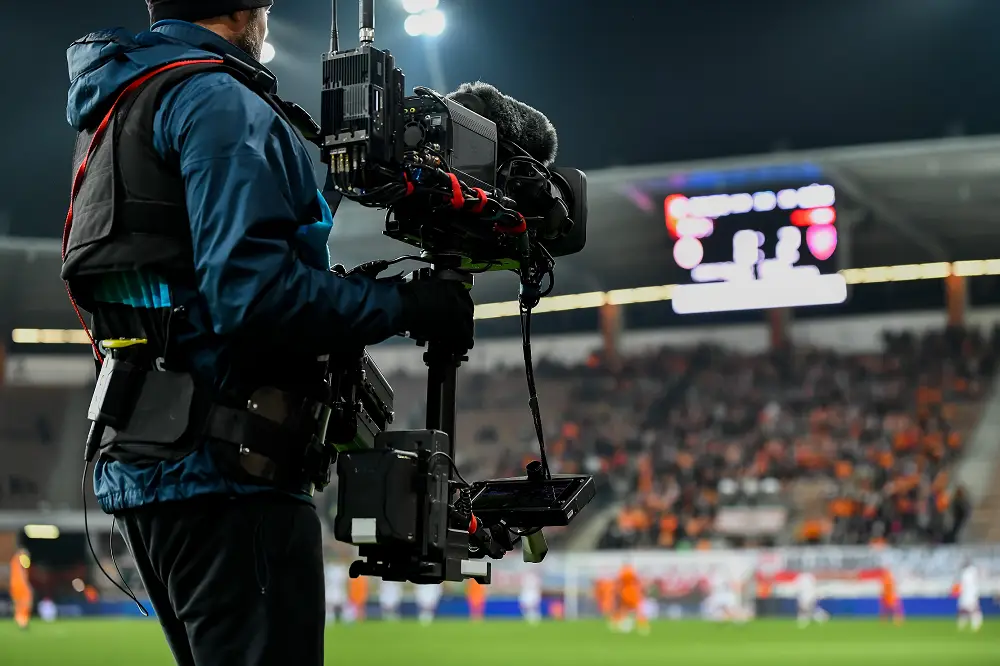
Alongside changes in hosting, the scale of Olympic broadcasting has expanded dramatically. Kejval, who is closely involved in the IOC’s revenue and marketing activities, highlighted the enormous growth in broadcast coverage since the Atlanta 1996 Games.
Where Olympic coverage once amounted to hundreds of hours of live broadcasting, recent Games have generated approximately 18,000 hours of content, with further growth anticipated for Los Angeles 2028.
This expansion reflects changing audience expectations. Fans increasingly want access not only to competition but also to the stories behind sporting performances, including athletes’ preparations, coaching teams and the technology supporting elite sport.
“People are interested in stories. They want to see behind the scenes, how athletes prepare, what they do, and the teams of coaches, scientists and doctors behind their performances.”
The growth of streaming platforms and social media is also changing the relationship between athletes, broadcasters and Olympic commercial partners.
Kejval said the IOC is exploring ways to give athletes greater freedom to share their experiences and engage directly with their audiences, while protecting broadcasting rights and preventing ambush marketing.
These discussions are particularly relevant ahead of LA28, where the scale of the American commercial market presents both opportunities and challenges for the Olympic movement.
LA28 and the technological demands of hosting
Kejval expects Los Angeles 2028 to set new benchmarks for the scale of Olympic operations.
The Games will benefit from the city’s extensive sporting infrastructure, entertainment industry and technological capabilities, creating opportunities for broadcasting and commercial innovation.
However, the technical demands of delivering the Olympics are becoming increasingly complex. From high-resolution broadcasting to the vast volumes of data generated during competition, host cities must support an operation that Kejval described as the largest television production in the world.
Olympic Broadcasting Services (OBS) plays a central role in managing this complexity, bringing together specialist expertise and advanced technologies developed over successive Games.
For host cities, the implications extend beyond sporting infrastructure. Digital connectivity, communications systems and the ability to present the destination to a global audience are increasingly important elements of successful event delivery.
Showcasing the host city to the world
Kejval pointed to Paris 2024 as an example of how Olympic hosting can showcase a destination on an extraordinary scale.
By incorporating iconic locations into competition venues, Paris created memorable images that reached audiences worldwide, from beach volleyball beneath the Eiffel Tower to fencing at the Grand Palais.
These images did more than promote individual sports. They presented the character, architecture and cultural identity of Paris to a global audience.
Promoting the host city itself has become an increasingly important part of Olympic broadcasting, extending its impact beyond the sporting competition.
He emphasised that organisers need to consider how their destination will be presented internationally from the earliest stages of planning, making the most of the opportunity to communicate its identity and ambitions.
“It’s not just about sponsors. It’s about promoting the host city, showcasing its beauty and presenting it to the world from different angles.”
Legacy begins long before the Games
Beyond the immediate spectacle, Kejval said the ultimate measure of Olympic success is the lasting impact on the host city. He highlighted London 2012 as a particularly successful example, pointing to the regeneration of areas such as Hackney and the wider improvements delivered through Olympic investment.
For prospective hosts, he identified financial sustainability as a fundamental requirement. The Games must not leave cities with long-term financial burdens.
Public support is equally important. Kejval said that residents must understand and support the ambitions behind hosting, rather than seeing the Olympics simply as a short sporting event.
“You can’t see hosting as a short-term opportunity. You have to see it as something the city will live with for decades.”
The benefits should extend across transport, housing, public infrastructure, grassroots sport and the wider quality of urban life. Cities should approach Olympic ambitions as a long-term process, potentially spanning decades, rather than focusing exclusively on securing hosting rights. The process of preparing to host, he suggested, can itself be valuable if it helps cities define and deliver improvements for their communities.
Sharing experience across the major events industry
Looking ahead to Host City 2026, Kejval emphasised the importance of learning from the experiences of other event organisers and destinations. With the major events industry undergoing significant change, he believes the Olympic movement has much to gain from exchanging ideas, understanding different approaches and adapting to new challenges.
His perspective reinforces an important question facing host cities: how can major events create exceptional experiences while delivering sustainable, long-term value?
Kejval believes the answer lies in treating hosting not as an end in itself, but as part of a wider ambition to create better places to live.
“People need to understand the Olympics not as a 14-day event, but as a way of making the city a better place to live.”
Jiří Kejval will speak at Host City 2026, taking place in Glasgow on 1–2 December, joining international event owners, organisers and host cities to explore the future of major events.